
As hybrid technology becomes more prevalent, many South Africans are considering hybrid vehicles as an eco-friendly and fuel-efficient alternative to traditional petrol or diesel cars. For those looking to purchase a pre-owned hybrid vehicle, it’s crucial to understand the nuances of what makes a hybrid a worthy investment.
Hybrid Cars: Pros and Cons
Hybrid vehicles represent a growing segment in the automotive market, merging traditional combustion engines with electric motor technology to offer a more sustainable driving experience. However, while they present several advantages, potential buyers should also be aware of their drawbacks.
The Advantages of Hybrid Cars
Fuel Efficiency: One of the primary benefits of hybrid cars is their superior fuel efficiency. By combining an electric motor with a gasoline engine, hybrids operate more efficiently, consuming less fuel and producing fewer emissions than their purely gasoline-powered counterparts. This can lead to significant savings on fuel costs over the life of the vehicle.
Environmental Impact: Hybrids have a smaller environmental footprint due to their reduced CO2 emissions. This makes them an attractive option for eco-conscious drivers looking to minimize their impact on the environment. The use of electric power helps decrease air pollution, contributing to cleaner urban environments.
Resale Value: As demand for eco-friendly technologies grows, hybrid cars tend to maintain strong resale values. Public perception of hybrid technology as innovative and forward-thinking boosts their market desirability, making them a prudent investment for those who might look to sell their vehicle in the future.
The Disadvantages of Hybrid Cars
Higher Initial Cost: Despite their long-term savings, hybrid vehicles generally come with a higher initial price tag compared to traditional cars. This upfront cost can be a barrier for some buyers, although various incentives and rebates can help mitigate these costs.
Battery Replacement Costs: The hybrid battery is an essential component but can be costly to replace. As hybrid cars age, the likelihood of needing a new battery increases, which can be a significant expenditure. Potential buyers should consider the condition and warranty of the battery when purchasing a used hybrid car.
Complex Technology: The sophisticated technology that enables the dual systems of a hybrid car also introduces complexity that can lead to expensive maintenance and repairs if not properly handled. Hybrid vehicles require mechanics with specialized training, and not all service centers are equipped to deal with hybrid-specific issues, which can increase maintenance costs and inconvenience.
Maintenance
Hybrid vehicles require regular maintenance just like any other car but with some additional focus on the hybrid-specific components such as the battery pack and electric motor. Routine checks should include:
- Battery health assessment
- Electrical system inspections
- Regular engine maintenance
To keep your hybrid running smoothly:
- Follow the Manufacturer’s Service Schedule: Adhering to the prescribed service intervals is crucial.
- Use Qualified Technicians: Ensure that the technicians who work on your hybrid are trained and experienced with hybrid technologies.
- Monitor Battery Health: Use diagnostic tools to regularly check battery health.
- Drive Efficiently: Maximise your fuel efficiency and battery life by driving in a manner that utilizes the hybrid system effectively.
Longevity and Reliability
Hybrid vehicles are celebrated not only for their efficiency and environmental benefits but also for their longevity and reliability. With proper maintenance, these cars can rival the lifespan of traditional gasoline-powered vehicles, offering owners years of dependable service.
Proper Care of the Battery Pack: The hybrid battery pack is the heart of the vehicle’s energy system and plays a crucial role in its overall performance and longevity. Regular checks and maintenance are essential to ensure the battery operates at optimal levels. Factors such as extreme temperatures, improper charging habits, and leaving the battery in a discharged state for extended periods can degrade its performance and lifespan. Thus, maintaining a balanced state of charge and ensuring the battery is conditioned and cared for according to the manufacturer’s guidelines are vital.
Software Updates: Like modern smartphones and computers, hybrid vehicles benefit significantly from software updates. These updates can enhance vehicle performance, increase fuel efficiency, and even extend the battery’s life by improving the management systems that control charging and discharging. Owners should ensure their vehicle’s software is always up-to-date, as manufacturers frequently release updates to address emerging issues and improve functionality.
Regular Maintenance: Following the manufacturer’s recommended maintenance schedule is paramount for ensuring the longevity of a hybrid vehicle. This includes regular inspections and servicing of not only the hybrid-specific components like the electric motor and battery but also traditional car parts such as brakes, tires, and fluids. Regular maintenance helps prevent minor issues from becoming major problems and ensures the vehicle operates efficiently and reliably.
By adhering to these practices, hybrid car owners can maximize the lifespan and reliability of their vehicles. It’s important to treat these advanced vehicles with the care they require—particularly with the hybrid system—to ensure they remain a reliable part of your daily life for many years. Regular visits to a qualified hybrid service center can help keep your vehicle in top condition and may prevent expensive repairs in the future.
Considerations
When shopping for a used hybrid in South Africa, consider the following:
- Battery Life: Check the current state of the battery, its age, and any available service history. A battery past its prime might need replacement soon, which can be costly.
- Mileage vs. Age: Low mileage is less important than age due to the impact of time on hybrid batteries.
- Service Records: Comprehensive service records are a good sign of well-maintained vehicle systems.
Common Problems
Be vigilant about:
Battery Deterioration: The most common issue in older hybrids is battery degradation.
Faulty Inverters and Converters: These components can be expensive to replace and critical for the vehicle’s operation.
Transmission Issues: Some hybrids use continuously variable transmissions (CVT) that may require costly repairs.
Costs of Servicing Hybrid Cars in South Africa
Servicing hybrid vehicles in South Africa can often be more expensive than maintaining traditional combustion engine cars. This higher cost is primarily due to the specialized nature of hybrid systems and the components they use.
Specialized Expertise Required: Hybrid vehicles combine traditional combustion engines with electric motors and batteries. This dual-system technology requires mechanics to have specialized training and expertise, which can be more costly than the general automotive knowledge needed for standard cars. The scarcity of qualified hybrid technicians in some areas may also drive up service costs due to higher labor rates.
Cost of Hybrid-Specific Parts: Hybrid cars utilize unique components not found in conventional vehicles, including batteries and electric motors. These parts are typically more expensive to replace than standard car parts. For example, a replacement hybrid battery can cost anywhere from R20,000 to 100,000, depending on the make and model of the vehicle. Electric motors and other hybrid-specific components such as inverters and regenerative braking systems also contribute to higher overall servicing costs.
Estimating Servicing Costs: On average, routine servicing for a hybrid car might cost between 10% to 25% more than a similar service for a non-hybrid vehicle. For instance, where a regular car might cost around 2,000 ZAR for an annual service, a hybrid could cost approximately R2,500 to R3,500. These estimates can vary based on the vehicle model, the type of service, and the dealership or service center.
It is important for hybrid car owners in South Africa to plan for these higher servicing costs. Budgeting for routine maintenance as well as the potential high cost of replacing major components like the battery and electric motor can help avoid unexpected financial burdens. Additionally, owners should seek out service centers with proven expertise in hybrid technology to ensure their vehicle receives the appropriate care, ultimately protecting their investment in the long run.
Checking the Hybrid Battery Life
When buying a used hybrid vehicle, one of the most critical components to inspect is the hybrid battery life and the condition of the hybrid drivetrain. Here are practical steps and tips on how to assess these crucial elements:
- Battery Health Report:
– Many hybrid vehicles, like those from Toyota and Honda, have the capability to generate a battery health report. This can be done at a dealership or a service center that has the necessary diagnostic tools.
– The report will give you information about the battery’s state of charge, its capacity for holding charge, and any cells that are underperforming. - Visual Inspection:
– While visual inspections won’t give you detailed insights into battery health, checking for corrosion around the battery terminals and signs of leakage or damage can indicate neglect or potential issues. - Drive Test:
– During a test drive, pay attention to how the car transitions between electric motor and combustion engine. Unusual delays, or the engine kicking in more frequently than expected, can indicate reduced battery efficiency.
– Monitor the energy flow display (if available), which can show how well the battery is charging during braking and how effectively it’s delivering power. - Check for Warranty and Replacement History:
– Ask the seller about the history of the battery. Has it been replaced or reconditioned? Is there any remaining warranty on the battery? This information can be crucial, as hybrid batteries are expensive to replace.
Evaluating the Hybrid Drivetrain
- Professional Inspection:
– A thorough inspection by a qualified mechanic who specializes in hybrid vehicles is essential. They can check the overall health of the hybrid system, including the electric motors and the transmission.
– The mechanic can also run diagnostics to check for any fault codes that might indicate problems with the hybrid drivetrain. - Listen for Unusual Noises:
– During the test drive, listen for any unusual noises when the vehicle switches from electric to petrol mode and vice versa. Grinding or clicking noises can be a sign of trouble in the hybrid transmission or electric motors. - Transmission Fluid Check:
– Check the condition of the transmission fluid. It should be clean and not burnt smelling. Dirty or burnt fluid can indicate poor maintenance, which might have stressed the hybrid system. - Check for Software Updates:
– Ensure the vehicle’s software is up-to-date. Manufacturers often release software updates that can improve the efficiency and functionality of the hybrid system. A dealer can verify if all updates have been applied. - Look for Overheating:
– After the test drive, check for signs of overheating around the battery and electric motor areas. Overheating can reduce the lifespan of electronic components and the battery itself.
General Tips
Review Service Records: Maintenance history can tell you a lot about how the previous owner took care of the vehicle. Regular visits to a service center are a good sign.
Research Common Issues: Look up common problems specific to the model you’re considering. Knowing what issues are prevalent can help you ask the right questions and check specific areas more carefully.
By following these steps, you can better assess the condition of the hybrid battery and drivetrain, which are key to ensuring you get a reliable and efficient used hybrid vehicle. Always consider having a pre-purchase inspection done by a professional who is familiar with hybrids to make the most informed decision.
Most Popular Hybrid Vehicles in South Africa
Selecting a used hybrid car in South Africa requires consideration of various factors including availability, reliability, and cost of ownership. Below are the top five hybrid cars that are generally well-regarded on the used market in South Africa, known for their durability, performance, and support network.
1. Toyota Prius
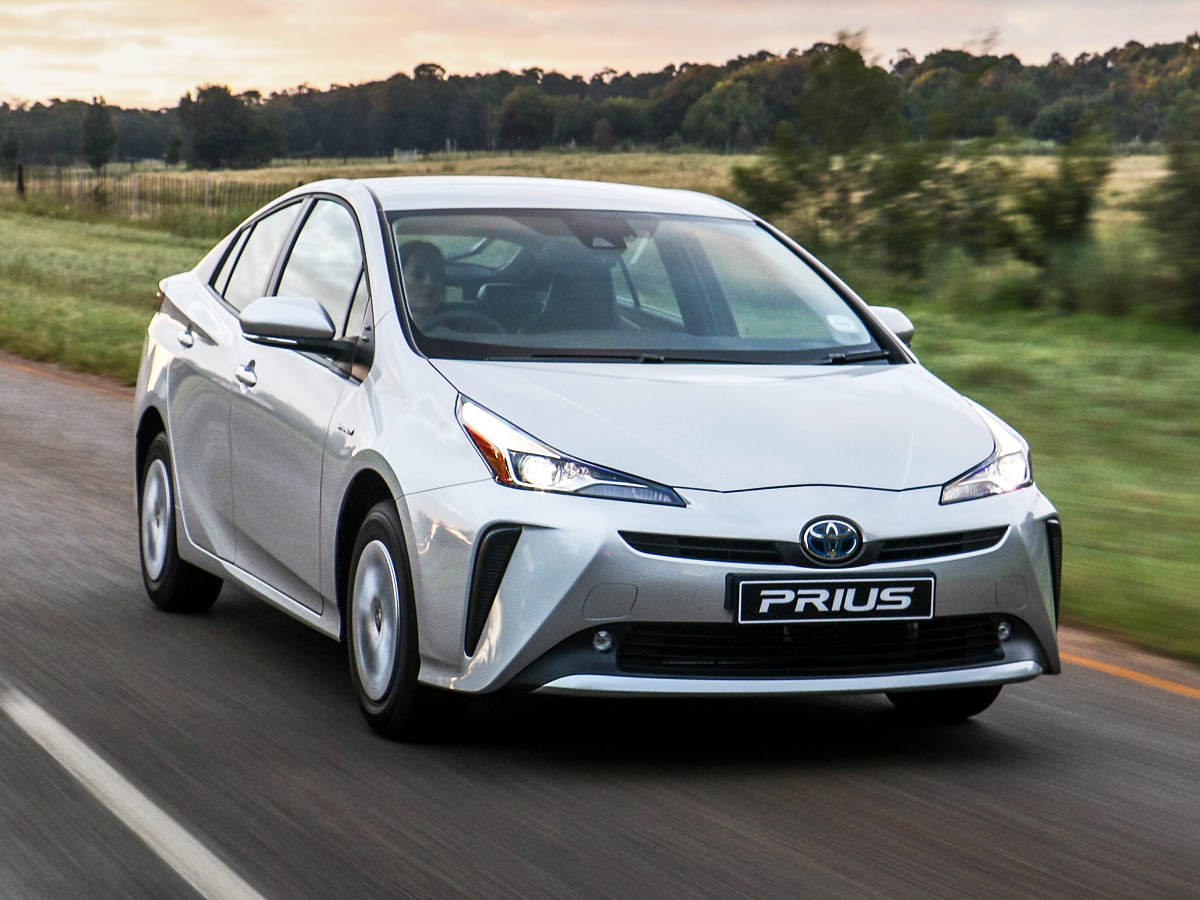
The Toyota Prius is perhaps the most iconic hybrid vehicle globally and has a strong presence in the South African used car market. It’s known for its reliability, excellent fuel efficiency, and low emissions. The Prius has been around long enough to have a proven track record and a range of model years to fit different budgets.
2. Honda CR-Z
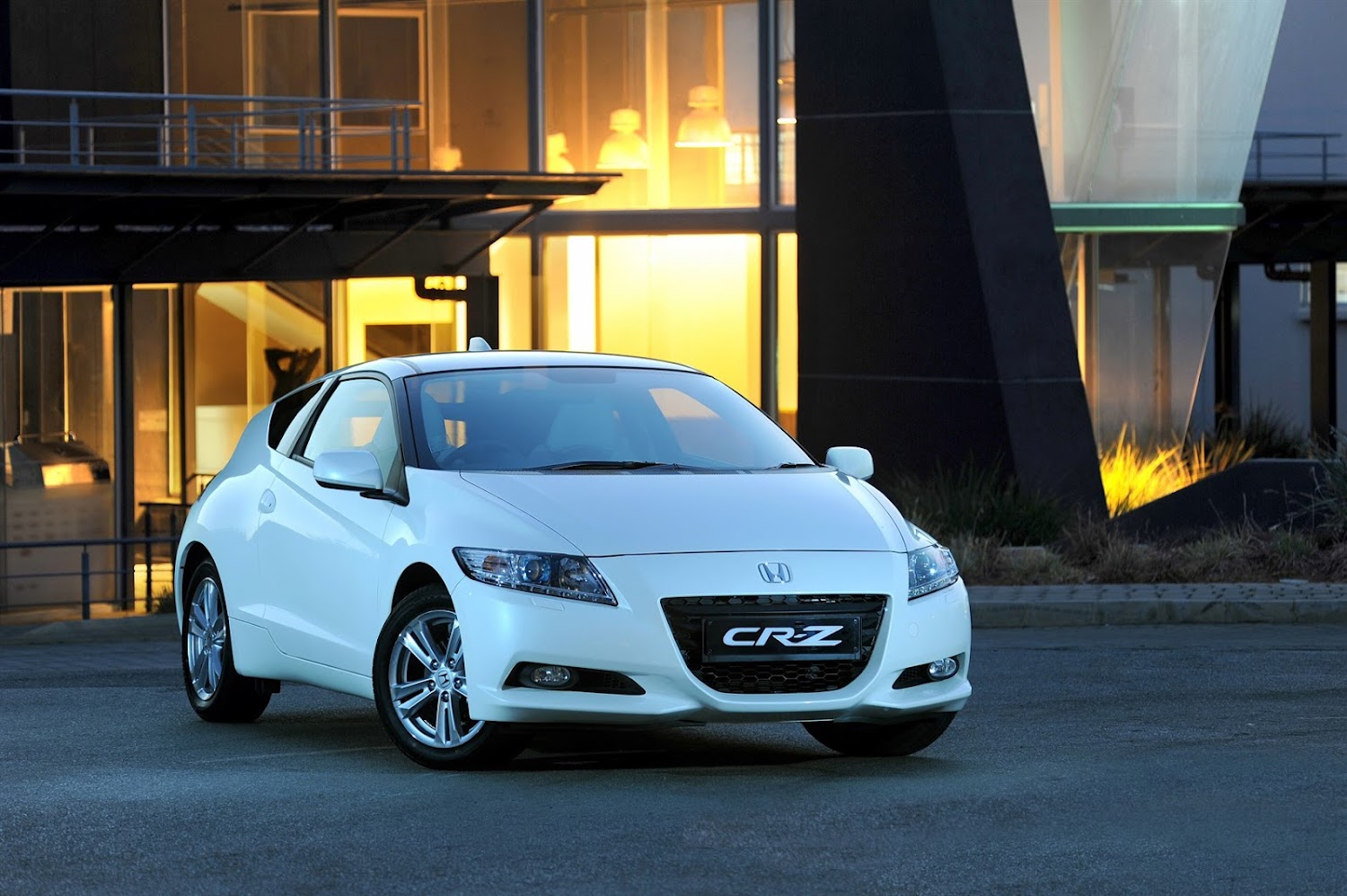
The Honda CR-Z combines hybrid efficiency with a sporty design. While it’s more of a niche vehicle due to its two-door configuration, it’s praised for its enjoyable driving dynamics and good fuel economy. Its hybrid system is robust, borrowing technology from the well-regarded Honda Insight.
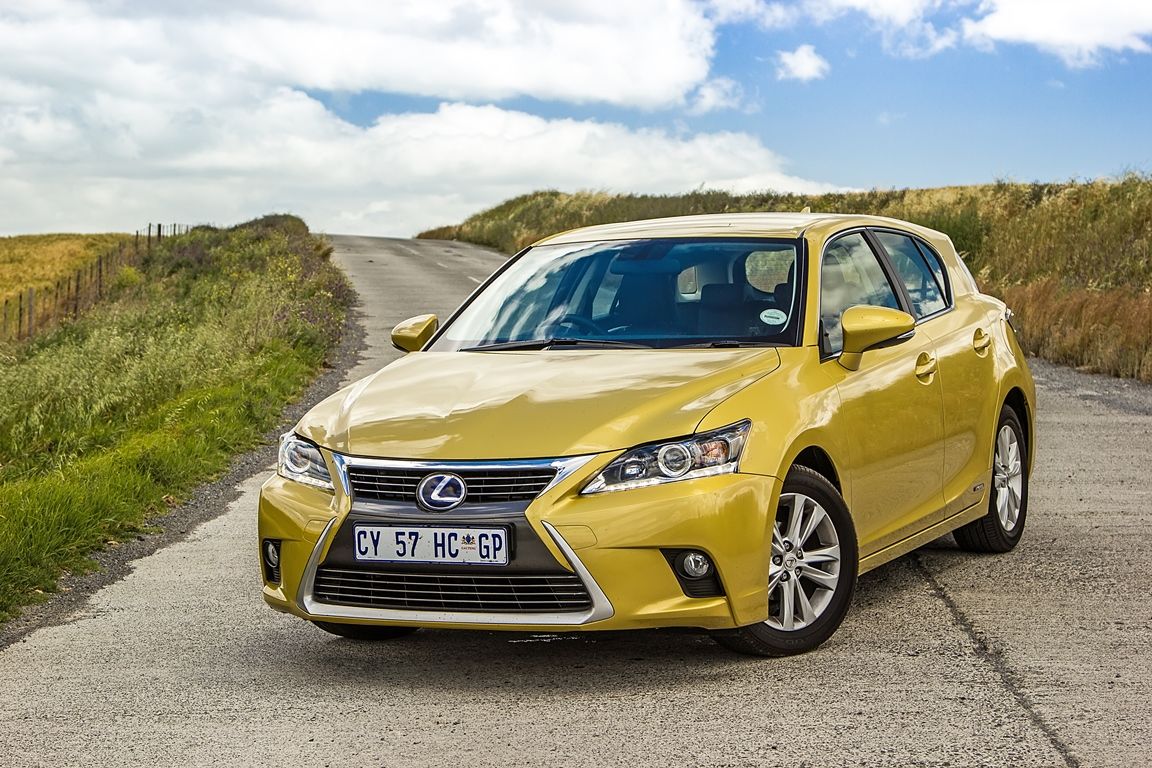
3. Lexus CT 200h
The Lexus CT 200h offers a luxury compact experience with the benefits of hybrid technology. It’s built on the same platform as the Toyota Prius but comes with the premium finishes and features associated with Lexus vehicles. Its reliability and upscale interior make it a popular choice for those looking for a more luxurious hybrid option.
4. Toyota Auris Hybrid
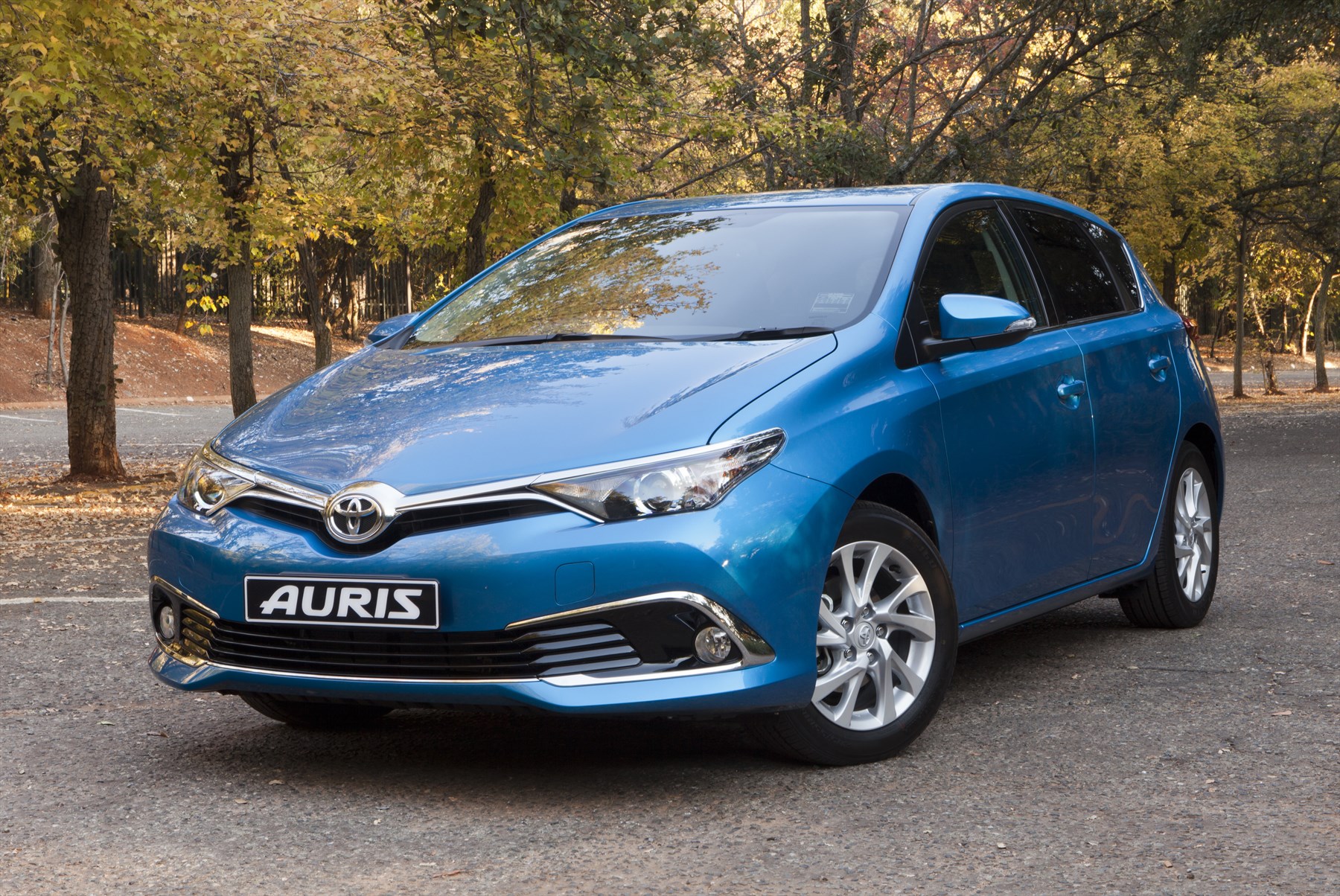
The Toyota Auris Hybrid provides a more conventional alternative to the Prius with a traditional hatchback style and similar hybrid mechanics. It offers good practicality with reliable performance and is suitable for families looking for an economical yet comfortable vehicle.
5. BMW i3 (Range Extender)
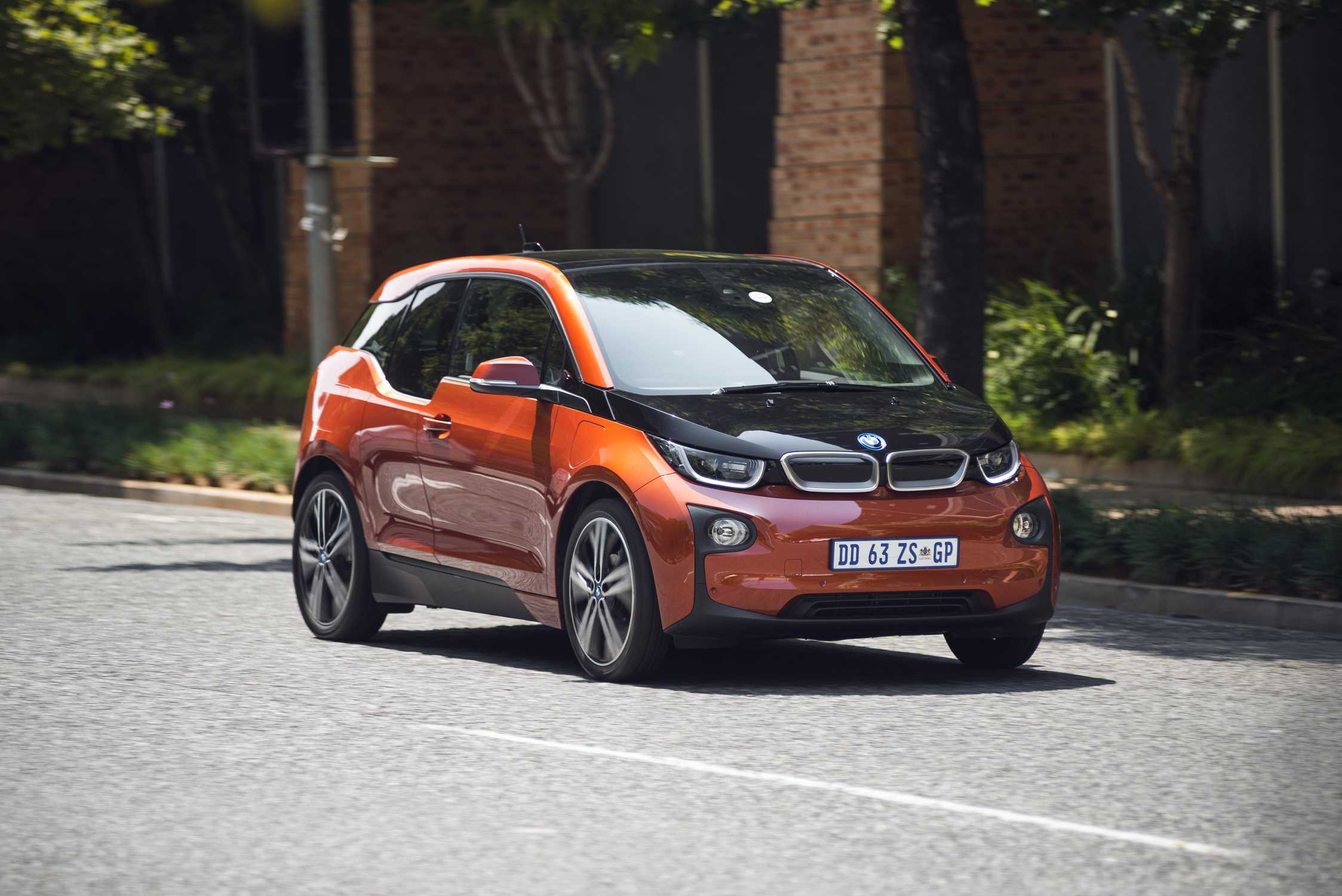
While primarily an electric vehicle, the BMW i3 with the range extender includes a small petrol engine that works as a generator to charge the batteries, effectively turning it into a hybrid. It’s known for its innovative design, environmental friendliness, and excellent urban driving dynamics. The i3 is ideal for those looking for a compact vehicle with a premium feel and advanced technology.
When considering a used hybrid car in South Africa, it’s important to assess the vehicle’s service history, battery condition, and overall maintenance records to ensure you’re making a sound investment. Additionally, the availability of parts and qualified service centers should also be a key consideration, particularly for more high-end models like the Lexus CT 200h and BMW i3.

Author

Hi Evan,
I found this article very useful and will keep it on hand before making my next vehicle purchase. Do you have an idea of what replacement batteries might cost on the Lexus and Auris models and if one should always buy the OEM or f there are any suitable third party options available. One would assume the OEM from the dealer will be significantly more.
Thank you for your comment, Paul. Sadly, the cost of replacing these battery packs is incredibly expensive. For the BMW i3, a replacement OEM pack from a dealer is over R350,000. The Toyota Auris’ pack is smaller and therefore cheaper than the i3s, but still the price of a great second hand car. These batteries need to be replaced every 8-10 years. Lithium Ion technology is continually improving – with costs decreasing and options expanding. There are no established hybrid battery pack specialists in South Africa just yet.
Would it be worth bringing a battery pack in from Asia or Europe? Can a private person import them? A number of questions are still left to be definitively answered.