The Renault Captur, introduced to the South African market in 2015, is a compact SUV that combines French flair, style, practicality, and robust performance. This model has evolved significantly since its debut in 2015, offering a unique blend of aesthetic appeal and functional features tailored to the dynamic needs of South African drivers. If you’re looking at a Renault Captur as a used car buy, this buying guide aims to answer all your questions to help you make better-informed used car decisions.
History & Overview of the Renault Captur
The Renault Captur made its initial global appearance in 2013, and reached the South African shores in 2015. Upon its local debut, it quickly became a favorite among compact crossover enthusiasts. Over the years, the Captur has seen several updates, including a major facelift in 2017 that introduced enhanced styling and new technological features. The introduction of the second-generation Captur in 2019 further solidified its market presence with updated design cues taken from the fifth-generation Clio (from which it shares its underpinnings and powertrains), showcasing sharper lines and more sophisticated exterior details.
This model has been well-received for its blend of comfort, style, and practicality, making it a worthy contender in the fiercely competitive compact crossover segment. With sales exceeding 6,500 units in South Africa, the Captur has proven its appeal and reliability to its user base.
The Captur is particularly noted for its versatility and economical performance, featuring engine options that balance power with fuel efficiency. Its interior has also seen significant upgrades over the years, with the latest models boasting high-quality materials, advanced infotainment systems, and comfort-driven design enhancements that cater to both families and individual adventurers alike.
Why Choose a Used Renault Captur
Choosing a used Renault Captur offers several advantages, chief among them being cost savings. Like most used vehicles, the Captur experiences depreciation, which means buyers can own a relatively recent model at a reduced price compared to its new counterpart. This depreciation allows for more budget flexibility, making it accessible to a wider range of buyers without sacrificing modern features or style.
The Renault Captur’s reputation for reliability makes it a sensible choice in the used car market. Its maintenance costs are generally reasonable, and since the model has been popular in South Africa for several years, spare parts are readily available. This ease of serviceability helps in keeping ownership costs down over time.
Its compact size makes it ideal for navigating busy city streets and fitting into tight parking spaces while still providing enough room for comfortable travel. The vehicle’s efficient fuel consumption is another benefit for daily commuters looking to manage fuel costs effectively.
Additionally, the Captur’s versatile design makes it a great option for small families. Its safety features, including multiple airbags and advanced driver-assistance systems, ensure a secure environment for all passengers. The adjustable seating and ample boot space, which can be expanded by folding down the rear seats, also cater to the varied needs of family life, from school runs to weekend getaways.
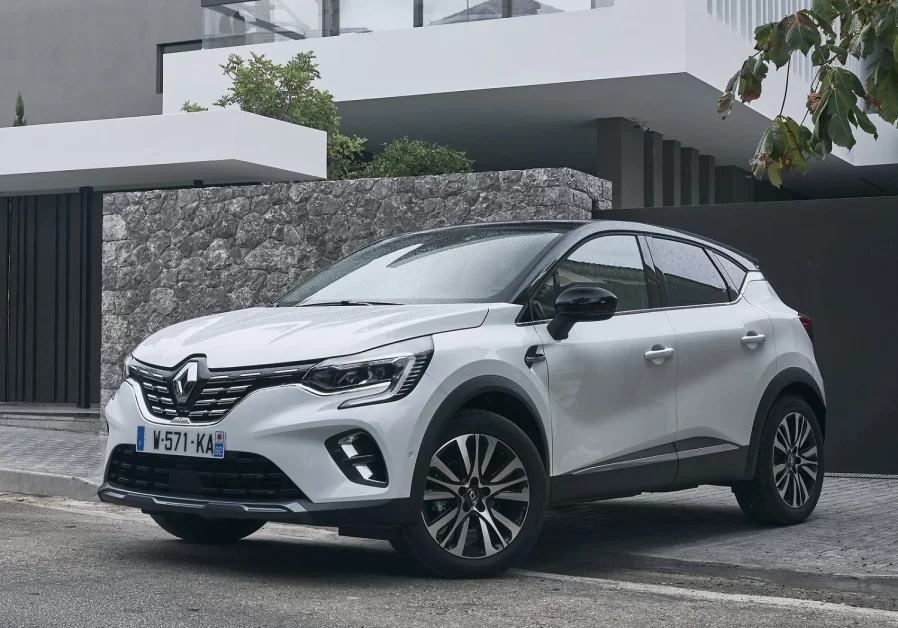
Model Variants & Engine Options: Breakdown by Generation
The Renault Captur has been offered in two distinct generations in South Africa, each bringing its own set of features and improvements that cater to the evolving needs of the compact crossover SUV market. Here’s a closer look at the options and variants available for each generation:
First Generation (2015-2019)
Entry-Level:
-
Captur Expression and Captur Blaze: The Expression was the initial base model, later replaced by the Blaze variant, which provided a cost-effective entry point without skimping on essential features. This model included manual air conditioning, basic safety features, and Renault’s R&Go infotainment system, which was particularly noted for its user-friendly interface and smartphone integration capabilities.
Mid-Range:
-
Captur Dynamique: This variant introduced more comfort and technology, featuring automatic climate control, a MediaNav touchscreen infotainment system, and more refined interior touches such as higher-quality seat fabric and decorative inlays. It offered a good balance between luxury and price, making it a popular choice for families and tech-savvy individuals
Engine Options:
- The first generation had several engine choices, including the 900cc/0.9-liter turbocharged petrol, 1.2-liter turbocharged petrol, and the 1.5-liter dCi diesel. These engines were appreciated for their fuel efficiency and adequate power, which made them suitable for urban and extra-urban driving conditions.
Second Generation (2019-Present)
Updated Entry-Level:
-
Captur Zen: Replacing the older base models, the second-generation Zen variant offered a significant upgrade in standard equipment and interior quality, including improved connectivity features and safety technologies not previously available in the entry-level models.
High-End Variants:
-
Captur Intens: The second-generation Intens model pushed the boundaries of what could be expected in a compact SUV, with features like a larger infotainment screen, full LED headlights, advanced driver assistance systems, and a more luxurious interior. This model catered to those looking for premium features without moving into a larger vehicle class.
Engine and Performance Upgrades:
-
The second generation continued with advanced versions of the petrol engines, improving both performance and fuel efficiency. The introduction of a new 1.3-liter turbo petrol engine provided better response and power, suited for both city traffic and long-distance travel. The diesel variants remained, continuing to offer excellent fuel economy.
Safety & Technology
The Renault Captur’s appeal as a compact crossover SUV is greatly enhanced by its safety features and technological advancements, which have evolved significantly across its two generations. Below is an overview of the safety and technology features for each generation of the Renault Captur available in South Africa:
First Generation (2015-2019)
Safety:
-
The first-generation Captur was equipped with essential safety features, including multiple airbags, ABS with EBD (Electronic Brakeforce Distribution), and ESC (Electronic Stability Control). Hill-start assist was also standard, helping drivers on steep inclines.
-
ISOFIX child seat mounts were included to secure child seats safely, making it a family-friendly option.
Technology:
-
The MediaNav system was a highlight in the Dynamique models, offering navigation, Bluetooth connectivity for phone and media, and a touchscreen interface. This system was well-received for its user-friendliness and adequate feature set for the price point.
-
Entry-level variants like the Expression and, later, the Blaze came with the more basic R&Go infotainment system, which was effective in integrating smartphone functionality into the car’s system, providing essential features like music streaming and hands-free calls.
Second Generation (2019-Present)
Safety:
-
Building on the solid foundation of the first generation, the second-generation Captur introduced more advanced safety technologies. This includes an improvement in the structural integrity of the vehicle and the addition of more sophisticated driver assistance systems.
-
Features such as lane departure warning, traffic sign recognition, and blind-spot monitoring became available, especially in the higher-end Intens variant. These features enhance driver awareness and safety on the road.
Technology:
-
The second generation saw a significant upgrade in infotainment and connectivity. Introducing a larger and more interactive touchscreen infotainment system, compatible with Apple CarPlay and Android Auto, offered a more seamless and integrated driving experience.
-
The higher trims, like the Intens model, came equipped with a more comprehensive MultiSense system, allowing drivers to adjust settings for steering response, throttle mapping, and even ambient lighting to suit their driving mood and conditions.
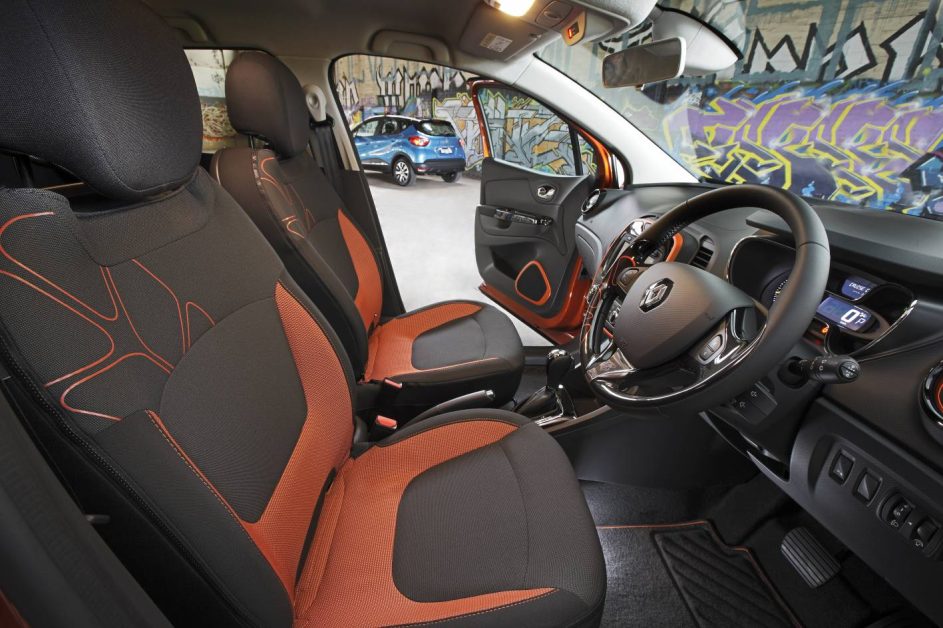
Interior & Comfort Features of the Renault Captur: Breakdown by Generations
The Renault Captur has been praised for its practical and stylish interior across both generations, with each offering specific features tailored to enhance driver and passenger comfort.
First Generation (2015-2019)
Interior Design and Features:
-
The first-generation Captur’s interior was marked by a colorful and modular design, which was both functional and eye-catching. The dashboard and upholstery options allowed for a degree of personalization that was uncommon in the segment at that time.
-
Key features included removable seat covers, which were particularly popular among families for their ease of cleaning. The car’s cabin also offered clever storage solutions like a large glove box and door bins, along with a sliding rear bench to adjust space between passenger legroom and boot capacity.
Comfort:
-
Despite its compact exterior dimensions, the first-generation Captur provided a surprisingly spacious interior that could comfortably accommodate up to five adults. The seats were designed to offer support and comfort, even on longer journeys.
-
Standard equipment on higher trims included automatic climate control and a sound system that contributed to a pleasant driving environment. The higher-spec Dynamique versions added premium touches such as a leather steering wheel and upgraded upholstery options.
Second Generation (2019-Present)
Interior Design and Features:
-
With the launch of the second generation, the Captur took a significant step up in terms of interior quality and design. The use of soft-touch materials increased, and the overall design moved towards a more sophisticated and less utilitarian look.
-
Technological enhancements included a larger touchscreen infotainment system and digital instrument cluster on higher-end models like the Intens. These features not only improved the aesthetic but also the functionality, with more customization options available to the driver.
Comfort:
-
The second-generation Captur further improved comfort with more advanced seat designs that offered better ergonomics and optional features such as heated seats. The cabin became quieter, too, with better insulation against road noise, enhancing the overall sense of comfort.
-
Additional convenience features, such as keyless entry and start, as well as a more comprehensive set of automatic functions (like wipers and lights), bolstered the Captur’s appeal to those seeking a blend of compact SUV practicality with near-premium car comfort.
Known Issues & Common Problems of the Renault Captur in South Africa
Renault Captur models, like all vehicles, have their share of known issues and common problems reported by owners and automotive reviewers. Here’s an overview of such issues by generation:
First Generation (2015-2019)
Common Issues:
-
Electrical Problems: Some owners have reported issues with the electrical systems, including faults with the dashboard warning lights and infotainment system glitches. These problems sometimes stem from firmware that requires updates or loose connections that need tightening.
-
Transmission Concerns: The automatic transmission (EDC – Efficient Dual Clutch) in the Captur has been noted for its occasional jerkiness and hesitancy, especially in city driving conditions. This behavior can often be improved with a software update from a Renault service center.
-
Water Ingress: There have been reports of water leakage into the cabin, particularly around the door seals and windshield. This typically requires replacing the seals or resealing the affected areas.
Second Generation (2019-Present)
Common Issues:
-
Infotainment System Bugs: The more sophisticated infotainment system in the second-generation Captur has experienced software bugs that can affect usability, such as unresponsive touch screens or issues with connectivity features like Apple CarPlay and Android Auto.
-
Engine Management: Some users have reported issues related to the engine’s electronic management system, such as erratic idling or unexpected power loss. These are typically resolved through system diagnostics and updates.
-
Brake Noise: Complaints about squeaking or noisy brakes have been noted, particularly in vehicles with frequent urban use. This issue is usually related to brake pad wear or requires adjustment of the brake system.
You can visit our Ultimate Used Car Buying Checklist to learn exactly what you need to be looking for when inspecting a used car.

Maintenance and Servicing: Breakdown by Generation
Regular maintenance and servicing are crucial for keeping the Renault Captur in optimal condition. Here’s how maintenance and servicing needs differ between the first and second generations of the Captur:
First Generation (2015-2019)
Service Intervals and Key Checks:
-
The first-generation Captur generally requires servicing every 15,000 km or once a year, whichever comes first. This routine includes oil changes, filter replacements, and comprehensive checks on the braking system, suspension, and electrical components.
-
Timing Belt Replacement: Unlike many modern cars that use a timing chain, the first-generation Captur, particularly those with the 1.5 dCi diesel engine, uses a timing belt that needs replacement around every 100,000 km to prevent potential engine damage.
Common Replacement Parts:
-
Brake Pads and Discs: Due to their frequent use, especially in urban driving, the brake pads and discs may wear quicker and require periodic replacement.
-
Battery: The vehicle’s battery typically needs replacement every 4 to 5 years, depending on usage patterns and climatic conditions.
Second Generation (2019-Present)
Service Intervals and Key Checks:
-
The second-generation Captur has similar service intervals to the first generation, with services recommended every 15,000 km or annually. However, thanks to advancements in vehicle diagnostics, many potential issues can be preemptively identified and addressed during these routine checks.
-
Engine and Transmission Health: With newer engine technologies and the improved EDC transmission, it is crucial to ensure that firmware and software updates are applied during service visits to keep the vehicle running smoothly and efficiently.
Common Replacement Parts:
-
Tire Wear: Given the Captur’s use as an urban and occasionally touring vehicle, tire wear should be monitored regularly, with replacements or rotations as needed depending on the wear patterns observed.
-
Air Conditioning System: Servicing the AC system, including checks for refrigerant levels and system integrity, is recommended to ensure optimal operation, especially before the hotter seasons.
Additional Maintenance Tips:
For both generations, it’s advisable to adhere to Renault’s recommended maintenance schedule and use only genuine or approved aftermarket parts to ensure longevity and maintain vehicle value. Regular checks of fluid levels, tyre pressures, and lighting systems can help prevent more significant issues down the road. Owners are encouraged to address any unusual noises, vibrations, or dashboard warning lights promptly by consulting with a certified Renault service center.
Sticking to these guidelines will help ensure that the Captur remains reliable, safe, and enjoyable to drive, regardless of age or generation.
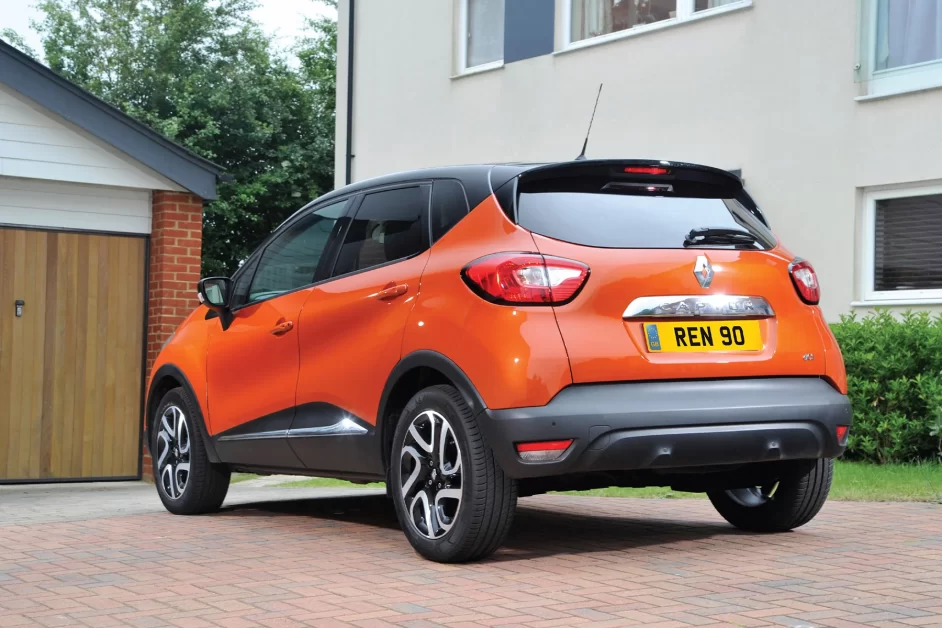
Owner Reviews and Testimonials: Breakdown by Generation
The Renault Captur has been a popular choice among compact SUV buyers in South Africa, and owner reviews offer valuable insights into the real-world experiences of those who drive these vehicles daily. Here’s what owners have to say about both generations:
First Generation (2015-2019)
Positive Feedback:
-
Practicality and Design: Many owners appreciate the first-generation Captur for its practical design, including the modularity of the interior space and the ease of maintenance due to features like the washable seat covers. The car’s stylish exterior is praised for standing out in the compact crossover SUV crowd.
-
Fuel Efficiency: Users frequently commend diesel variants for their excellent fuel economy, which is crucial in the fluctuating economic climate of South Africa. The petrol versions are also noted for their reasonable consumption rates.
Critiques:
-
Transmission Smoothness: Some owners have reported dissatisfaction with the dual-clutch transmission, noting that it can be jerky and unresponsive at low speeds—common in urban driving scenarios.
-
Interior Quality: There are occasional criticisms regarding the durability of some interior plastics and fabrics, which some owners feel do not withstand the rigors of daily use as well as expected.
Second Generation (2019-Present)
Positive Feedback:
-
Advanced Features: Owners of the second-generation Captur often highlight the improvements in technology and safety features as major selling points. The inclusion of more advanced driver-assistance systems and a more responsive infotainment system are particularly praised.
-
Comfort and Ride Quality: The increased focus on comfort is well-received, with mentions of the quieter cabin and more supportive seating, which make long journeys more enjoyable. The overall ride quality is also noted as being superior to that of the first generation, with better handling and smoother operation.
Critiques:
-
Software Bugs: While the technology upgrades are generally welcomed, some owners express frustrations with occasional software glitches in the infotainment system that can affect usability. These are often resolved with updates during regular servicing.
-
Cost of New Features: There is a note that while the additional features are beneficial, they can drive up the cost of servicing and repairs, particularly if out-of-warranty work is required on more complex systems like the electronic dashboard or driver aids.
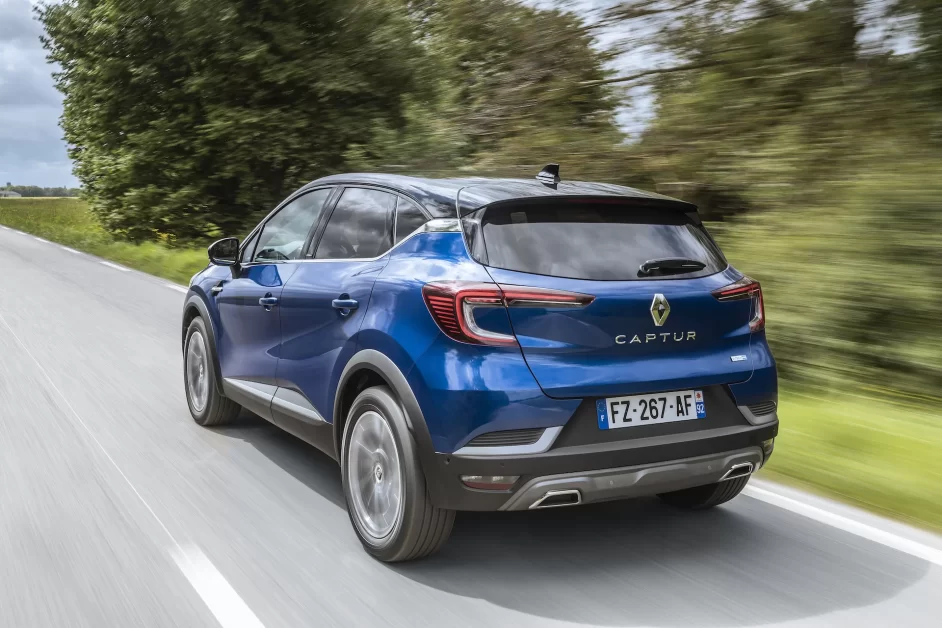
Resale Value and Market Comparison
When considering the purchase of a used Renault Captur, potential buyers often evaluate the vehicle’s resale value and how it stacks up against competitors in the compact SUV segment. Here’s an analysis based on both generations of the Captur:
Resale Value
First Generation (2015-2019):
-
The first-generation Captur generally holds a moderate resale value. Due to its initial popularity, there is a healthy demand in the used car market, which helps maintain its value. However, like many vehicles, it experiences depreciation, and its resale value can be significantly impacted by the vehicle’s condition and mileage. Regular maintenance and care are crucial in preserving its resale price.
Second Generation (2019-Present):
-
The second-generation Captur tends to hold its value better than the first, thanks to improved reliability, newer technology, and enhanced safety features, which are highly valued in the resale market. The presence of more advanced technology can also positively impact resale value, provided these systems are well-maintained and fully functional.
Market Comparison
Comparison with Competitors:
-
The Renault Captur competes with several other popular compact SUVs in South Africa, such as the Ford EcoSport, Hyundai Creta, and Volkswagen T-Cross. Each of these competitors has its strengths:
-
Ford EcoSport: Known for its robust build and reliable performance, it competes closely with Captur in terms of price and capability but often features a more conservative design.
-
Hyundai Creta: Offers a slightly larger interior and a reputation for excellent after-sales service, which can be a deciding factor for many buyers.
-
Volkswagen T-Cross: Stands out with its brand reputation and higher-end interior, though it typically comes at a higher price point, affecting its initial affordability and resale value compared to the Captur.
In summary, the Renault Captur’s resale value is competitive within its segment, especially when well-maintained and equipped with the latest features. It offers a good balance between cost, features, and performance, making it an attractive option for those purchasing a used compact SUV. Buyers are encouraged to consider how the Captur compares in terms of initial cost, feature set, and ongoing maintenance expenses against its competitors to make the most informed decision.
Final Thoughts: Renault Captur as a Used Car Buy in South Africa
The Renault Captur, with its two generations available on the South African market, presents a compelling option for those seeking a stylish, practical, and economical compact SUV. Here are some final thoughts to consider when evaluating the Captur as a potential used car purchase:
- Practicality and Style: Both generations of the Captur offer a mix of practical features and stylish design that stand out in the compact SUV category. Its modularity and smart interior solutions, like washable seat covers and adjustable seating, make it particularly appealing for families and individuals alike.
- Technological and Safety Features: The Captur has progressively included more advanced technological and safety features, especially in the second generation. These enhancements not only improve the driving experience but also contribute to the vehicle’s overall safety profile, making it a safe choice for drivers and passengers.
- Economic Considerations: With its reasonable maintenance costs and moderate depreciation, the Captur represents a good value proposition in the used car market. The availability of parts and a comprehensive service network in South Africa also ensures that the Captur remains a cost-effective choice in the long term.
- Market Position: Compared to its rivals like the Ford EcoSport, Hyundai Creta, and Volkswagen T-Cross, the Captur has a unique blend of French design flair and practical features. While each competitor has strengths, the Captur’s balance of price, features, and style makes it a worthy contender for those seeking value and character in a compact SUV.
Overall, the Renault Captur is a solid choice for those in the market for a used compact SUV, offering a blend of style, functionality, and comfort that is hard to beat at its price point. Prospective buyers should weigh these benefits against their specific needs and preferences to make an informed decision that aligns with their lifestyle and budget.
Author


